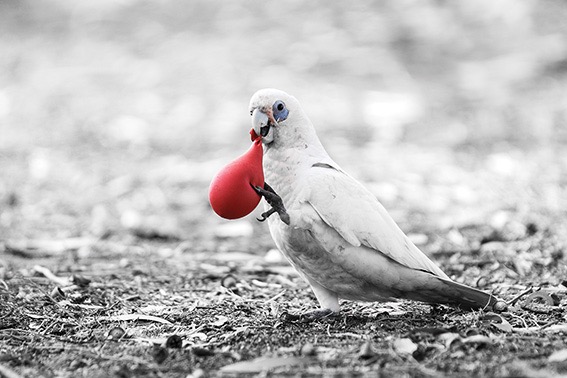

I don’t know how to describe how much I loathe balloons but a few adjectives come to mind…annoyance, anger, outrage, irritation, and just “pissed off.”
During the last 30 days, I have heard about several separate balloon releases across the country to celebrate the lives of those who have died by overdose, car accidents, war, and cancer. It is natural to grieve the loss of loved ones, especially those who have been taken much too soon. Sudden tragedy is difficult to process and we all deal with the grieving process in our own way. That being said, I can’t begin to understand releasing litter and pollutants into the atmosphere to help heal our personal loss. Why would anyone memorialize a loved one by releasing hundreds of plastic or latex balloons into the sky to pollute our planet and harm our precious wildlife?
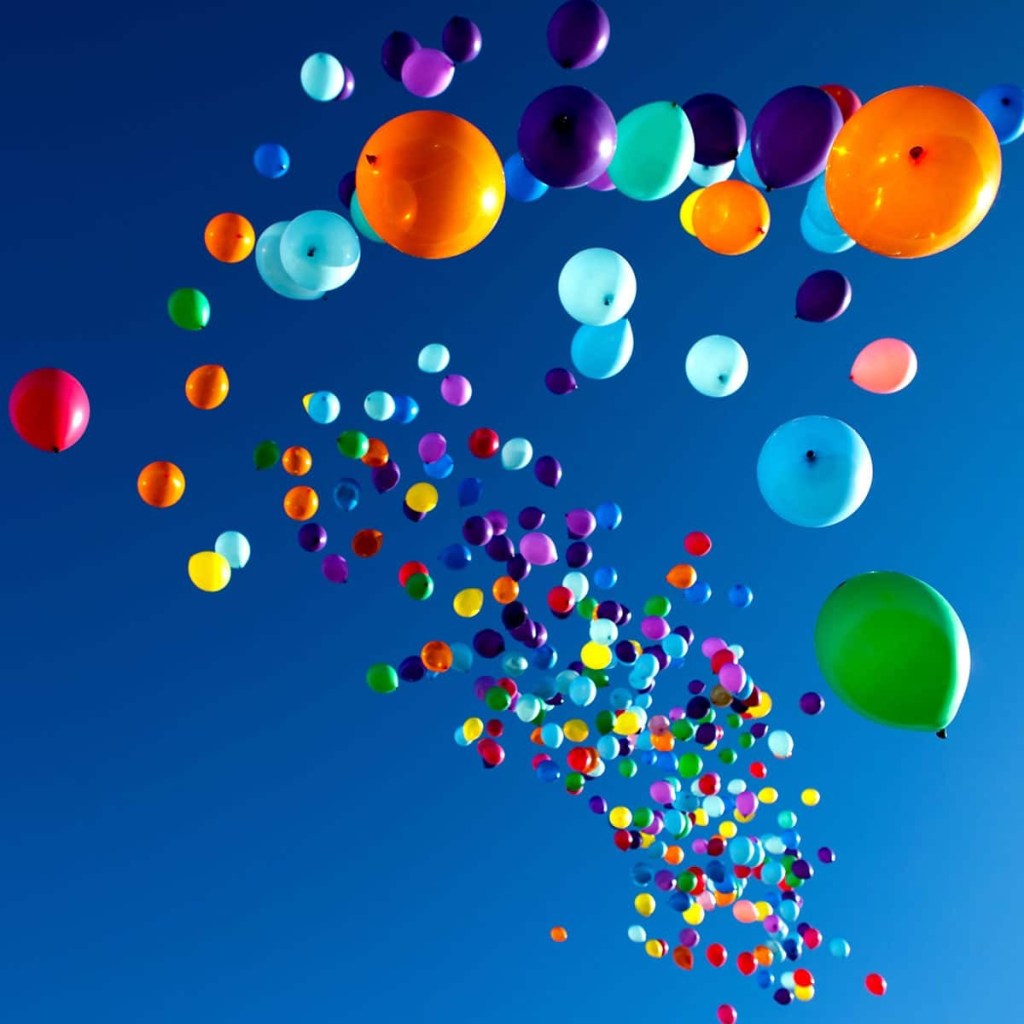
The released balloons may be visually stunning but they end up as a total blight on the landscape. They fall back to earth as litter, contaminating our land and bodies of water. Once considered harmless expressions of emotion, balloons and balloon releases are now recognized as contributing to environmental destruction.
Balloons are also used at other events such as parties, weddings, sports and political celebrations, baby and wedding showers, and many other occasions. A few nights ago, I looked over at my neighbor’s house and saw lots of people milling around the house drinking wine and beer and obviously having a great time celebrating a 40th birthday. It seemed like such a fun and cheerful get-together until I saw a wall of the kitchen totally covered in huge clumps of about 100 balloons. Although these balloons will presumably not be released, they will end up in a landfill where they will slowly breakdown into microplastics that will leach into our air and water.
Many people will ask…..”what’s the big deal?” Balloons are pretty, festive, and the kids love them. When I was a kid (a lifetime ago), I too loved balloons. We would go to the circus (as a child I didn’t understand the animal abuse perpetrated by circuses) or we would go to the State Fair. We couldn’t wait to grab a balloon and eventually let it drift into the sky. People didn’t know any better in those days. But now we know. And parents today need to instill in their kids a love of the environment and teach them how to protect it. Balloons take hundreds of years to biodegrade. Overtime, they eventually break down into microplastics polluting our soil, air, and water. The balloon industry markets latex balloons as an alternative to plastic balloons and advertises them as a “natural” product. But latex balloons add many other compounds during the manufacturing process such as heavy metals, flame retardants, pigments, and other chemicals and studies show only very minor degradation after many weeks. They are definitely not biodegradable in any meaningful way.
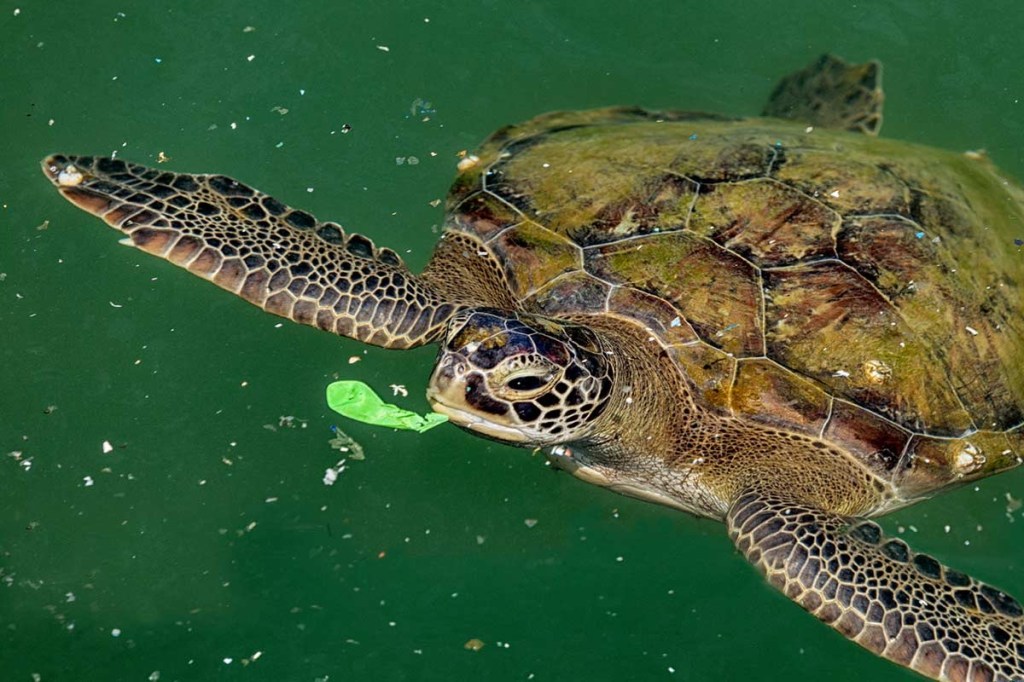
Unlike plastics that we are dependent upon for food, medical supplies, and other necessary functions of living in today’s world, balloons are TOTALLY USELESS! They contribute nothing but heartache and death for our land and marine animals and their habitats. Here are a few things to remember:
- Marine and land animals mistake balloons for food. They eat the plastic, feel full, and then don’t eat nutritional food which means they may actually starve. The plastic also blocks their digestive tract making life painful and causing illness or death.
- The strings dangling from the balloon can get wrapped around the body of the animal causing asphyxiation or hindering it from moving or flying.
- Although balloons take only moments to release, they take hundreds of years to biodegrade. And some balloons, such as Mylar will never biodegrade.
- As the balloons degrade (albeit slowly), they break down into microplastics polluting our air, soil, and water. Rain and snow now contain microplastics.
Our failure to stop using balloons is a symptom of our inability to do even the smallest and easiest things to protect our planet and wildlife from further destruction. You might think that this is just a bit of minutia in the whole scheme of things, so why does it matter? But if we can’t even do the easiest things like getting rid of balloons, straws, plastic bags….how are we ever going to do the bigger, harder things?
Several states have now banned balloon releases: California, Connecticut, Florida, Tennessee, Maine, and Maryland. It is long past time that every state and country around the world ban balloon releases and impose strict penalties for those who violate these laws.
 KATHLEEN CORBIN
Leave a comment